
‘Afterlife’ (1998) Introduction
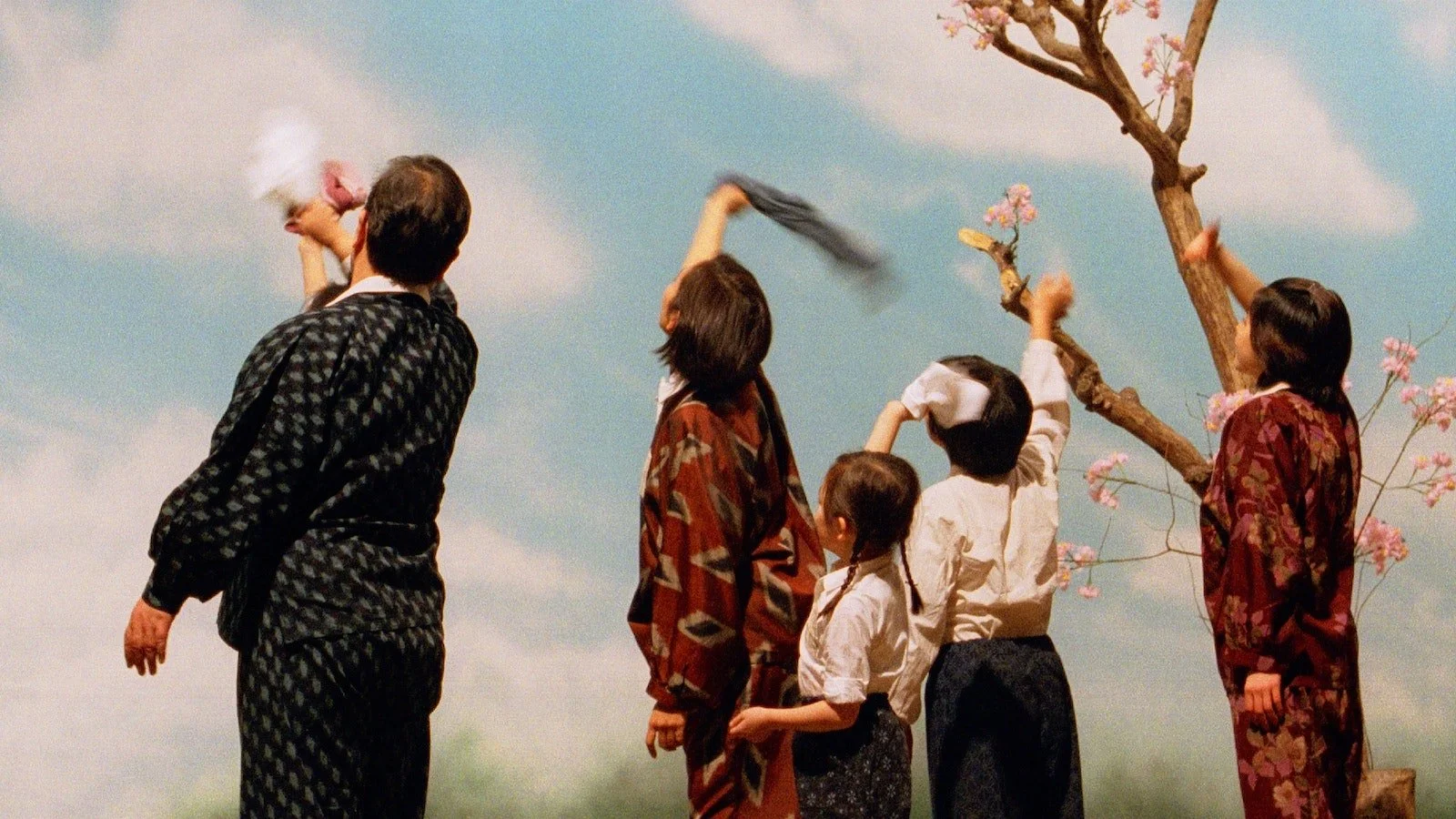
Introduction for Hirokazu Kore-eda’s Afterlife (1998), delivered before a screening of the film at Genesis Cinema 0n the 30th October, 2024
Good evening everyone. Welcome to Genesis Cinema and tonight’s screening of After Life. I’m Archie Marshall, I’m a Curation and Programming student at the National Film and Television School, and the curator of this season ‘BEYOND - Visions of the Afterlife’, which tonight’s film is the opening night of. ‘BEYOND’ will examine how filmmakers go about visualising such an unknowable idea, celebrating the craft and creativity required to bring the after life to life.
Later in this season we’ll look at films which feature more fantastical or surrealist interpretations of what the after life might look like. But tonight’s film takes a different approach, adopting a more minimalist visual style, which may be more simple but is none the less beautiful.
After Life poses a simple question - What is the one memory you’d hold onto forever? Set in a purgatorial way station, a group of counsellors conduct a series of interviews with the recently deceased, tasked with helping them select a single memory to live in for eternity.
Across his prestigious career, Director Hirokazu Kore-eda has earned a reputation as one of cinema’s great humanists. Kore-eda got his start working as an assistant director in made- for-Television documentaries in Japan, the impact of this background is clear to see on his narrative films, including After Life. The ensemble cast is made up of both professional and non-professional actors, which provides both an authenticity in the performances but also a sense of intrigue, as it’s unclear where the constructs of the film end and the real memories of the actors begin.
In the film’s numerous interview sequences, you can really feel Kore-eda’s reverence for the power of memory in storytelling. He makes no attempt to overly-stylise these moments, no distractions through fancy camera movement or editing. He simply lets the actors and their words speak for themselves. In the simplicity of this imagery, we find ourselves in the same position as the characters, as we start to discover beauty and meaning in the “quote- unquote” ordinary.
In a modern world where we’re so constantly bombarded by an overload of information, Afterlife provides a rare opportunity / to sit and to really listen to someone, which I hope will provide a cathartic watch for you this evening.
Much has been written about the relationship between cinema and memory, and how the two represent a person’s own interpretation of past events, but I know of few films which have engaged with this idea as explicitly and as poetically as After Life does.
The film is drawing from many influences, from Akira Kurosawa’s Ikiru to Frank Capra It’s a Wonderful Life. Kore-eda has also spoken very candidly about the profound impact that Yasujirō Ozu’s work has had on his approach to framing and shot composition. But the originality of the film’s premise, coupled with a distinctly Kore-eda aesthetic, I feel makes for a unique viewing experience. It’s a melancholic but gentle film, which offers the charming notion that your afterlife, much like the life that proceeds it, is only what you make of it.
If you do enjoy what you see tonight, we have three other films screening over the next two weeks. You can find more information about these either on the Genesis website or on the back of the postcards you might have picked before the screening (if not, no worries you can grab one after). And if you do have any thoughts on the film, or feedback on tonight that you’d like to share, I’ll be around in the lobby after the film so please feel free to come say hi and share any thoughts or feelings. There might even be a sugary reward in it for you.
But without further ado, thank you very much for listening and I hope you enjoy the film. Cheers